
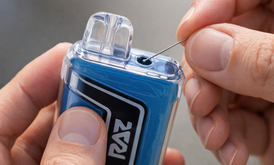
How to Unclog a Disposable Vape?
If you’re standing there with a disposable vape that won’t hit properly, you’re probably pretty frustrated right now. We get it. You just want your device to work, and instead, you’re getting weak pulls, no vapor, or that annoying gurgling sound that means something’s blocking the airflow. The good news is that most clogged disposable vapes can be fixed in just a few minutes with simple methods you can try at home.
In our comprehensive guide, we’re going to walk you through exactly how to unclog a disposable vape using proven techniques that actually work. Whether you’re dealing with condensation buildup, thick e-liquid that’s gotten stuck, or debris blocking your airflow, we’ve got solutions that’ll help you get back to vaping without having to toss your device in the trash.
Why Do Vapes Clog?
Before we dive into the fixes, let’s talk about why this happens in the first place. Understanding the cause helps you prevent future clogs and know which solution will work best for your situation.
Disposable vapes are compact devices with narrow airways designed to deliver consistent vapor. The problem is that e-liquid, especially thicker formulations, can accumulate in these narrow passages over time. When you’re not using your vape, the liquid can settle and partially solidify in cooler temperatures. Add in condensation from the vapor itself, and you’ve got a recipe for blockage.
Temperature changes are a major culprit. If you’ve ever left your vape in a cold car overnight or carried it in your pocket on a chilly day, the e-liquid inside can thicken significantly. Some disposable vapes use vegetable glycerin-based liquids that naturally have a thicker consistency, making them more prone to clogging than others.
Another common issue is how you store your device. Keeping it in your pocket with lint, dust, or debris can lead to particles getting into the mouthpiece or air intake. Even the angle at which you store it matters—leave it sideways or upside down for too long, and gravity will pull the liquid into places it shouldn’t be.
Manufacturing variations also play a role. Not all disposable vapes are created equal. Some have better airflow design than others, and quality control can vary between brands. We’ve noticed that cheaper devices tend to clog more frequently because of inconsistent coil placement or air channel sizing.
Step 1: Try the Simple Blow Method
Let’s start with the easiest fix for how to unclog a disposable vape. This method works surprisingly well for minor clogs caused by condensation or slightly thickened e-liquid.
Remove the device from your mouth and turn it upside down, so the mouthpiece is pointing toward the ground. Now, give it a few short, firm blows through the mouthpiece. Don’t go overboard—you’re not trying to win a lung capacity contest. Just a few quick puffs of air should do the trick.
What you’re doing here is forcing air backward through the system, which can dislodge any liquid or condensation that’s blocking the airflow path. You might see a tiny bit of e-liquid come out of the bottom air intake holes, and that’s totally normal. That’s exactly what you want—it means the blockage is clearing.
After blowing through it a few times, try taking a normal draw. If you feel improved airflow and get better vapor production, congratulations! You’ve just fixed your clog. If it’s still not working great, don’t worry. We’ve got more methods to try.
One thing to watch out for: don’t blow too hard or for too long. You could potentially push liquid into the battery compartment, which can cause other issues. Keep your blows short and controlled.
Step 2: Use a Warm Towel or Hands
Heat is your friend when learning how to unclog disposable vape devices. Warmth helps thin out the e-liquid, making it flow more easily through the airways and wick.
Take a clean towel and run it under warm water—not hot, just comfortably warm. Wring out the excess water so it’s damp but not dripping. Wrap your disposable vape in the warm towel and let it sit for about three to five minutes. The gentle heat will transfer through the device’s exterior and warm up the internal components.
If you don’t have a towel handy, you can use your hands. Cup the vape between your palms and rub your hands together to generate friction and heat. Your body heat alone can sometimes be enough to get things flowing again, especially if the clog is caused by cold-thickened liquid.
After warming the device, try taking a few gentle draws without activating the device (if it’s draw-activated, this won’t work, so just try a normal puff). The combination of warmth and gentle suction often clears out stubborn clogs.
We’ve had customers tell us they’ve successfully used this method after leaving their vape in a cold car overnight. The warmth gets the liquid moving again, and within minutes, the device is back to normal operation. Just remember—warm, not hot. You’re not trying to cook the thing.
Step 3: Clear the Airflow with a Toothpick
Sometimes the problem isn’t internal liquid buildup but rather debris blocking the mouthpiece or air intake holes. This is where a toothpick becomes your best friend for learning how to unclog a vape disposable effectively.
Grab a wooden toothpick—avoid metal objects that could damage internal components or cause short circuits. Look at your disposable vape carefully. You’ll typically see small air holes either at the bottom of the device or around the base of the mouthpiece.
Gently insert the toothpick into the mouthpiece opening and carefully probe around the edges. You’re looking for any crusty buildup, condensation deposits, or debris that might be restricting airflow. Rotate the toothpick gently as you work to break up any blockages.
Check the air intake holes at the bottom of the device, too. These can get clogged with pocket lint, dust, or even solidified e-liquid. Use the toothpick to carefully clear these openings, being careful not to push debris further into the device.
One pro tip: if you see visible gunk or buildup in the mouthpiece, you can also use a cotton swab dipped in a tiny bit of rubbing alcohol to clean it. Let it dry completely before using the vape again. This not only helps with airflow but also keeps your device more hygienic.
After clearing the airways, test your vape with a few gentle draws. You should notice significantly improved airflow if debris was the culprit.
Step 4: Try the Inhale and Exhale Trick
This technique combines elements of the previous methods and can be particularly effective for stubborn clogs. It’s one of our favorite ways to show people how to unclog a disposable vape when other methods haven’t quite done the job.
Start by taking a slow, gentle draw from your vape without activating it. Draw the air in for about three seconds, then immediately blow back through the mouthpiece for another three seconds. Repeat this cycle five to ten times.
What makes this method effective is that you’re creating alternating pressure that helps break up clogs from both directions. The inhale creates suction that can pull liquid away from blocked areas, while the exhale pushes it back through the system, helping to redistribute it more evenly.
Between cycles, tap the vape gently against your palm a few times. This helps any dislodged liquid settle away from the airway. Some people call this the “pump and tap” method, and we’ve seen it work wonders on devices that seemed completely blocked.
After you’ve done several cycles, try activating your vape normally. The combination of pressure changes and movement usually gets things flowing again. If you hear gurgling during this process, that’s actually good—it means liquid is moving and the clog is breaking up.
Step 5: Check for Battery Issues
Here’s something many people don’t realize: what seems like a clog might actually be a battery problem. If you’ve tried all the airflow-clearing methods and your disposable vape still isn’t producing vapor, the issue might not be a blockage at all.
Most disposable vapes have LED indicators that light up when you draw. If you’re getting weak or no light, the battery might be dead or dying. Unfortunately, disposable vape batteries aren’t rechargeable in most models, so if this is the case, you’ve probably reached the end of your device’s life.
However, sometimes the battery connection gets disrupted by liquid that’s leaked into the wrong area. If you notice any e-liquid around the bottom of your device near the air holes, gently wipe it away with a paper towel. Sometimes that liquid creates a barrier that prevents the battery from making proper contact.
Try tapping the bottom of the vape gently against a hard surface a few times. This can help reset internal connections. Some users have reported success with this when their device suddenly stopped working.
If your vape lights up normally but produces no vapor, and you’ve verified the airflow is clear, you might have a burnt coil or depleted e-liquid. At that point, you’re looking at the natural end of the device’s lifespan rather than a fixable clog.
Step 6: Properly Store Your Vape to Stop Clogging
Prevention is always better than cure, and proper storage can dramatically reduce how often you need to unclog your device. We’ve found that most clogging issues come from how people carry and store their vapes between uses.
Always store your disposable vape upright when possible. This keeps the e-liquid in the reservoir rather than letting it seep into the airflow channels. If you’re carrying it in your pocket, try to position it vertically or at least consistently in the same orientation.
Temperature matters more than you might think. Avoid leaving your vape in extremely cold or hot environments. Don’t leave it in your car during summer or winter, and try not to go from very cold outdoor temperatures to warm indoor temperatures too quickly. These dramatic temperature swings cause the liquid to expand and contract, which can force it into the airways.
Keep your vape away from dusty or dirty environments when not in use. If you’re carrying it in a pocket, consider using a small protective case or sleeve. This prevents lint, dust, and debris from getting into the air intakes and mouthpiece.
When you’re not using your vape for an extended period, store it in a cool, dry place. A drawer or cabinet works better than leaving it out on a table, where temperature and humidity fluctuate. Some users even store them in sealed plastic bags to keep dust out.
Finally, keep the mouthpiece clean. A quick wipe with a clean tissue after each use removes any buildup before it has a chance to harden and cause problems later.
What If My Vape Is Still Clogged?
If you’ve tried all these methods and your disposable vape is still clogged, you’re probably dealing with one of a few scenarios. The device might have a manufacturing defect, the internal components might be damaged, or it might simply be at the end of its usable life.
Manufacturing defects happen, even with reputable brands. If your vape was clogged right out of the package or became clogged very quickly with minimal use, contact the retailer where you purchased it. Many vendors offer replacements for defective products, especially if you bought from a reliable source like VapeMoreWholesale or similar established retailers.
Internal damage is another possibility. If the vape has been dropped, sat on, or otherwise physically damaged, internal components might be misaligned or broken. There’s no real fix for this with disposable devices, since they’re not designed to be opened or repaired.
Sometimes, what feels like a clog is actually just a depleted device. Disposable vapes have a finite amount of e-liquid and battery life. If you’ve been using it regularly and suddenly it stops working despite clear airways and a lit indicator, you might have simply used up all the vape juice. Most disposable vapes are designed for a specific number of puffs—anywhere from 300 to 5000, depending on the model.
At a certain point, you have to accept that the device has reached the end of its lifespan. That’s the nature of disposables—they’re convenient but not meant to last forever.
Are All Disposable Vapes Prone to Clogging?
Not all rechargeable disposable vapes clog with the same frequency, and understanding the differences can help you make better purchasing decisions in the future.
Higher-quality devices from established manufacturers typically have better airflow design and more consistent manufacturing standards. These vapes use precision-engineered components that minimize the risk of clogging. Brands that have been around longer have usually refined their designs based on user feedback and common issues.
The type of e-liquid also matters significantly. Nicotine-free vape options often use different liquid formulations that may be thinner or thicker than nicotine-containing versions. Some vapes use a higher ratio of propylene glycol to vegetable glycerin, which creates a thinner liquid that’s less likely to clog but produces less vapor. Others prioritize vapor production with higher VG content, which can be more prone to clogging but delivers bigger clouds.
Puff-activated versus button-activated devices show different clogging patterns, too. Puff-activated vapes (the kind that turn on automatically when you inhale) can sometimes be more sensitive to airflow blockages because they rely on detecting air movement to activate. Button-activated models give you more control and can sometimes power through minor clogs.
The coil type and heating element design also play a role. Ceramic coils tend to have different clogging characteristics than traditional cotton wick coils. Mesh coil designs, which are becoming more popular, often provide better liquid flow and are less prone to clogging.
Size and design of the device matter too. Smaller, more compact disposables with tighter airways are generally more prone to clogging than larger devices with wider air channels. It’s a trade-off between portability and performance.
Should You Replace A Disposable Vape and How Often?
This is one of the most common questions we hear, and the answer depends on several factors, including usage patterns, device quality, and what you expect from your vaping experience.
Most disposable vapes are designed to last for a specific puff count. Entry-level disposables might offer 300-800 puffs, mid-range devices typically provide 1500-3000 puffs, and premium disposables can go up to 5000 puffs or more. Your usage determines how long this translates to in real time. If you’re taking 100 puffs a day, a 2000-puff device should last about three weeks.
Replace your disposable vape when you notice a significant decline in vapor production, flavor quality, or when it becomes repeatedly clogged despite your best efforts to fix it. If you’re constantly having to unclog the same device, it’s telling you something—either it’s a low-quality product, or it’s reached the end of its usable life.
Watch for these signs that it’s time to replace: burnt taste (indicates a dry or damaged coil), significantly reduced vapor output even with clear airways, battery indicator staying dim or not lighting up, constant gurgling that won’t resolve, or visible leaking from the device.
From a practical standpoint, if you’ve spent more than ten minutes trying to fix a disposable vape, your time might be better spent replacing it, especially if the device was inexpensive to begin with. The whole point of disposables is convenience, so if they’re becoming inconvenient, they’re not serving their purpose.
That said, don’t give up too quickly on a device that’s only been lightly used. A vape that’s only a day old and has plenty of juice left deserves a thorough troubleshooting attempt before being tossed. But a device that’s been through the wringer and is clearly on its last legs? Let it go and move on to a fresh one.
Should You Try Different Types of Vapes?
If you find yourself constantly dealing with clogged disposables, it might be time to explore other vaping options. While disposables offer unmatched convenience, they’re not the perfect solution for everyone.
Rechargeable pod systems give you many of the benefits of disposables—compact size, ease of use, portability—but with less waste and often better performance. These devices have refillable or replaceable pods, and because they’re designed for longer-term use, they typically have better airflow engineering and more robust components. You’re less likely to experience clogging, and when you do, the devices are easier to maintain and clean.
Traditional vape pens and mod systems offer the most control and customization. You can adjust airflow, wattage, and use different types of coils to find the setup that works best for you. These devices require more knowledge and maintenance, but they rarely have the clogging issues common in disposables because you can clean and service the components.
For those who want the disposable convenience but better quality, premium disposables from established brands often justify their higher price with superior performance and fewer issues. Yes, they cost more upfront, but if you’re throwing away cheaper disposables after only using a fraction of their capacity because they keep clogging, you’re not really saving money.
Consider what matters most to you. If absolute convenience and zero maintenance are the priority, stick with disposables, but invest in better quality ones. If you’re willing to do a tiny bit more work for better performance and value, a rechargeable system might be the better choice. If you’re experiencing frequent clogs with disposables and it’s becoming frustrating, that’s your sign to explore other options.
Last Words
Learning how to unclog a disposable vape doesn’t require special tools or technical expertise. Most clogs can be resolved with simple methods—the blow technique, gentle warming, clearing debris with a toothpick, or the inhale-exhale trick. The key is understanding why clogs happen and taking preventive steps like proper storage and temperature management.
Remember that disposable vapes are designed for convenience, not longevity. If you’ve tried multiple unclogging methods and the device still isn’t performing well, it might simply be time for a replacement. Don’t waste too much time fighting with a device that’s reached the end of its useful life.
We hope this guide has helped you get your vape working again and given you the knowledge to prevent future clogs. The techniques we’ve shared work for most situations, and with proper care and storage, you can minimize how often you need to use them. If your vape isn’t working even after following the above steps, it’s time for an upgrade. Explore our premium selection of vaping devices from trusted brands like RAZ, Off-Stamp, VIHO, Kado Bar, and Foger. Each brand offers unique features and exceptional performance, ensuring you’ll find the perfect device to suit your style and vaping needs.
Suppose you’re interested in exploring different vaping options. Explore our wide range of disposable vape collection from top brands. All our team is here to help you find the right solution for your needs.
FAQs
Why isn’t my vape working?
Your vape might not be working due to several reasons: a clogged airway, depleted battery, empty e-liquid reservoir, or a damaged internal component. Start by checking if the device lights up when you try to use it—if it does, you likely have a clog or empty tank. If there’s no light, the battery might be dead. Try the unclogging methods we’ve outlined, and if those don’t work, the device has probably reached the end of its life.
How do I tell if my vape is clogged or just out of juice?
A clogged vape typically shows some signs of life—the LED might light up, you might hear a slight activation sound, or you might get very weak vapor. An empty vape usually produces no vapor at all, but still lights up normally. Another telltale sign: if you can see e-liquid in the device (some have transparent sections), it’s probably clogged rather than empty. Try shaking the device gently—if you hear liquid moving around inside, there’s juice left, and you’re dealing with a clog.
Can I fix a clogged vape without breaking it?
Yes, the methods we’ve described—blowing through the mouthpiece, warming with your hands or a towel, clearing airways with a toothpick, and the inhale-exhale technique—are all safe and won’t damage your device when done correctly. The key is being gentle and patient. Avoid using metal objects that could short the battery, don’t apply excessive heat, and don’t disassemble the device. Disposable vapes aren’t meant to be opened, and attempting to do so almost always causes irreparable damage.
What can I use to clear a clogged vape?
The best tools for clearing a clogged vape are things you probably already have: your breath (for the blow method), your hands or a warm towel (for gentle heating), a wooden toothpick (for clearing visible debris), and a cotton swab (for cleaning the mouthpiece). You don’t need any special equipment or chemicals. Avoid using sharp metal objects, compressed air (too much pressure), or heat sources like lighters or hair dryers (can damage the device or battery).
What’s the easiest way to fix a clog?
The simplest and quickest method is the blow technique—turn your vape upside down and blow a few short bursts of air through the mouthpiece. This works for about 60-70% of minor clogs caused by condensation or slightly thickened liquid. If that doesn’t work immediately, try combining it with gentle warming by holding the device in your hands for a minute or two. This one-two combination resolves most common clogging issues within a couple of minutes without requiring any tools.
For more information about vaping products, maintenance tips, and choosing the right device for your needs, explore our comprehensive resources or reach out to experienced vaping retailers who can provide personalized guidance based on your specific situation and preferences.
Want to know more about vapes? You can contact us by phone at 404-903-5146, email at support@bettyvape.com, or visit our blog section for more information. At BettyVape, our knowledgeable support staff is available to assist you.